What Are the Best Glass Insulator 120b Options for Your Needs?
The realm of electrical insulation has seen a significant rise in the popularity of Glass Insulator 120b. Industry expert Dr. Henry Williams, renowned for his extensive research, states, "Quality insulators are crucial for ensuring safety and efficiency." As the demand for reliable power transmission increases, choosing the right insulator becomes essential for both utility companies and everyday consumers.
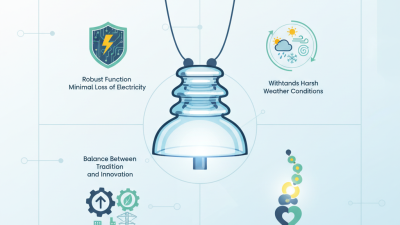
Glass Insulator 120b stands out due to its durability and effectiveness in harsh conditions. Each piece is meticulously crafted to withstand extreme weather and electrical stress. This reliability means fewer outages and maintenance costs over time. However, not all insulators are created equal. Factors like type of installation and environmental considerations deeply impact performance.
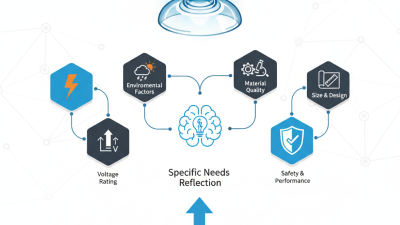
Understanding your specific needs can be challenging. Users often find themselves overwhelmed by choices. It's important to reflect on the unique requirements for your application. The right understanding can guide you to the top choices available, ensuring efficient operation without compromising safety.
Understanding Glass Insulators: A Brief Overview
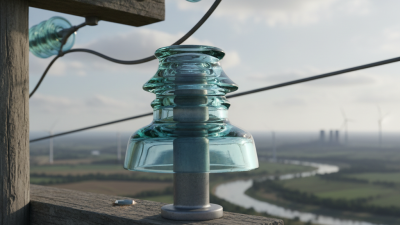
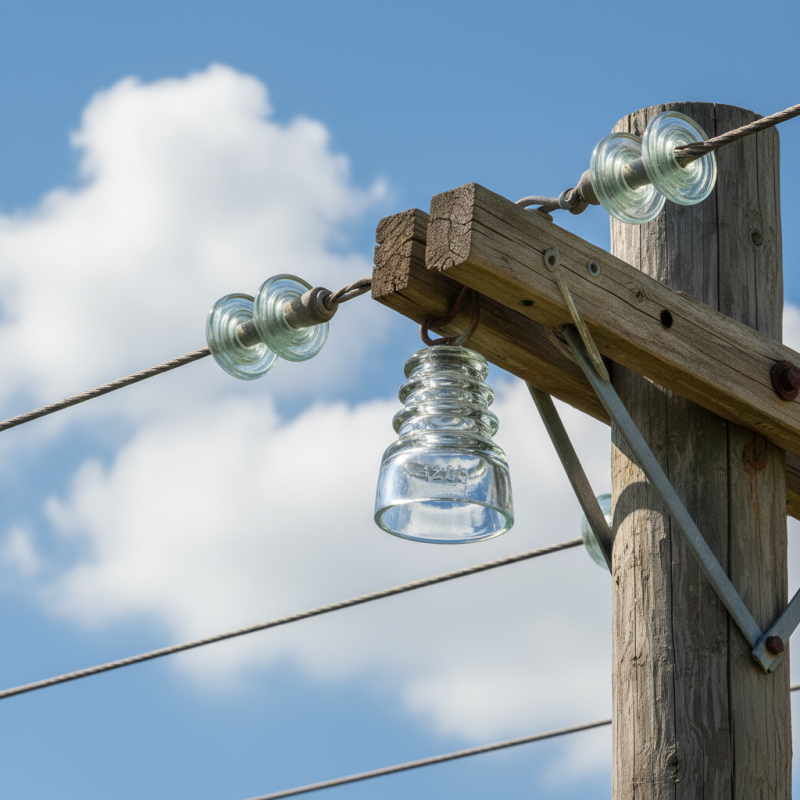
Glass insulators have a rich history that dates back over a century. Originally used in telecommunication and electrical systems, these unique structures are valued for their durability and aesthetic appeal. The design typically consists of a translucent, thick glass that effectively protects against weather elements. Many enthusiasts appreciate the way these insulators capture and refract light, adding a vintage charm to both utility and decor.
Choosing the right glass insulator involves understanding your specific needs. There are various styles and sizes available, suitable for different applications. Consider the purpose—are you seeking functionality or decorative appeal? Each type has unique features, such as shapes and colors. While some collectors aim for rare variants, others might prefer practical options to use in gardens or art projects. Finding the best choice can be a rewarding journey, but it often requires careful consideration and a bit of trial and error.
Understanding Glass Insulators: A Brief Overview
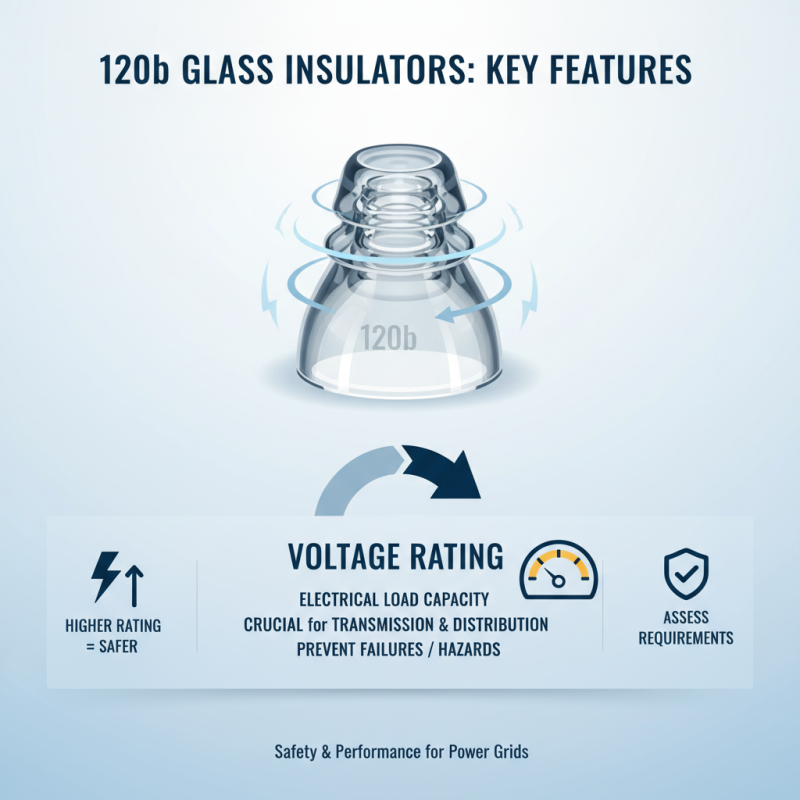
Key Features of 120b Glass Insulators to Consider
When choosing a 120b glass insulator, several key features deserve attention. One of the primary aspects to consider is the insulator's voltage rating. This determines how much electrical load it can handle safely. A higher voltage rating is crucial for applications in electrical transmission and distribution. Inadequate ratings can lead to failures or hazards, making it essential to assess your specific electrical requirements.
Another important feature is the insulator's material quality. High-quality glass is less prone to cracking and weather-related damage. Look for insulators that have undergone rigorous testing for durability and environmental resistance. These insulators should perform well in extreme conditions, whether it’s intense heat or freezing temperatures.
Additionally, the design of the insulator can affect its performance. Consider features like pin or thread configurations, which may influence installation and stability. An unsuitable design could lead to installation challenges or compromised safety. Understanding these nuances can better align your choice with your specific needs. The journey to finding the right insulator may involve some trial and error, so take time in your selection process.
Types of 120b Glass Insulators: Which One Is Right for You?
When selecting the right 120b glass insulator, it's essential to consider the types available. Each type serves different purposes and environments.
For instance, suspension insulators are ideal for overhead power lines. They are designed to support conductors and keep them insulated from the towers.
This type provides durability and stability, crucial for safety.
Another option is pin insulators, primarily used on wooden poles. They are smaller and easier to install. However, they have limitations in areas with high wind.
They can fail under stress, so the choice of location matters. Some prefer strain insulators for applications needing more tension.
Their design accommodates additional load, making them practical for extensive networks.
Finally, consider the aesthetics of glass insulators. Color, shape, and design can vary significantly. Some are more visually appealing and collectible.
While function is vital, it’s important to reflect on the style you desire. A balance between function and form creates satisfaction.
Ultimately, the right choice aligns with specific needs, environmental factors, and personal taste.
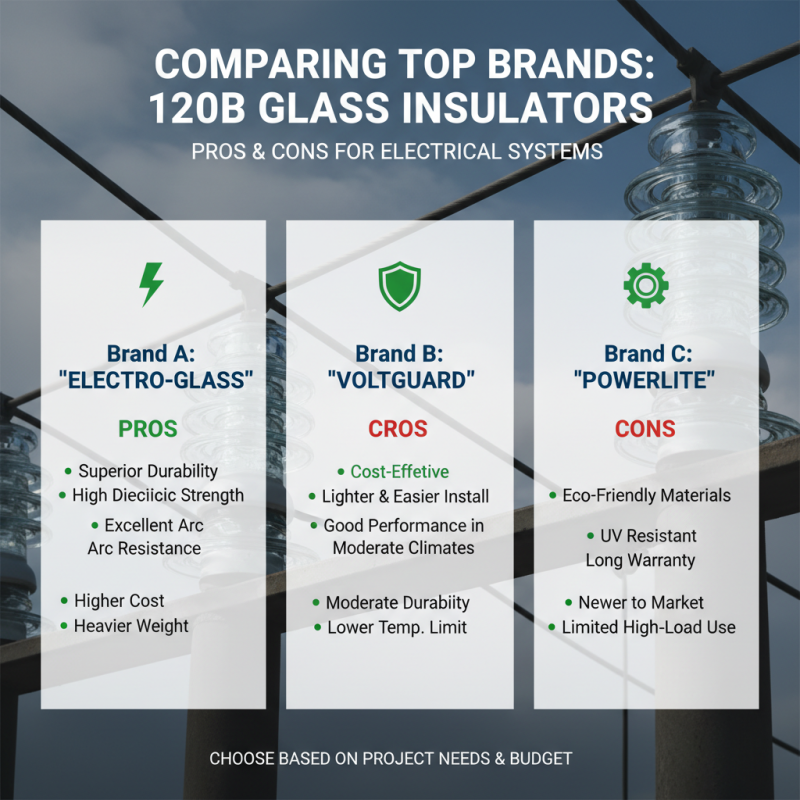
Comparing Top Brands for 120b Glass Insulators: Pros and Cons
When selecting 120b glass insulators, it's essential to understand the options available. Glass insulators are crucial in electrical systems. They prevent electrical leakage and ensure safety. Each brand offers unique pros and cons.
One popular choice is high voltage glass insulators. These are known for their durability and performance. They can withstand extreme weather conditions, reducing maintenance costs. However, they can be expensive upfront. According to industry reports, well-made glass insulators can last over 30 years. This longevity can justify the initial investment.
Consider the design of the insulator as well. Some insulators feature a more streamlined shape, reducing wind resistance. Others have thicker walls for added strength but may weigh more. Weight can impact installation and handling.
**Tips:** Focus on longevity over initial cost. It's often more cost-effective in the long run. Evaluate installation needs as well. Ensure your team has the right tools for heavy insulators. This can save time and effort during installation.
Maintenance Tips for Longevity of Glass Insulators in Use
Maintaining glass insulators is crucial for their performance and lifespan. Regular cleaning keeps them functional. Dust and grime can accumulate over time, reducing their efficiency. A simple mixture of vinegar and water can effectively remove stubborn dirt. Remember to use a soft cloth to avoid scratches. It's essential to check these insulators regularly for cracks or chips. Damaged insulators can lead to poor performance.
Store insulators in a climate-controlled environment when not in use. Extreme temperatures can cause glass to expand and contract. This may lead to fractures over time. Using protective coverings can shield them from UV rays and weather elements. If you notice any wear, consider replacing the insulator promptly. Delaying might cause more significant issues. Even small signs of damage warrant attention.
As outdoor insulators endure more stress, inspect them after storms. High winds and heavy rain can affect their integrity. Consider the durability of your installation site. Environmental factors play a big role in longevity. Making adjustments accordingly can provide better protection. There’s always a learning curve in maintaining these units. Adopting a proactive approach will benefit you in the long run.
What Are the Best Glass Insulator 120b Options for Your Needs?
| Model |
Type |
Color |
Height (inches) |
Weight (lbs) |
Best Use |
| 120b High Voltage |
Suspension |
Clear |
8 |
3.5 |
Outdoor Transmission |
| 120b Polycarbonate |
Line Post |
Green |
7 |
2.8 |
Utility Poles |
| 120b Vintage Style |
Insulator |
Amber |
6.5 |
2.2 |
Decorative |
| 120b Fastener Insulator |
Fastening |
Blue |
5.5 |
1.7 |
Indoor Use |
| 120b Clear Glass |
Insulator |
Clear |
8.5 |
4 |
General Use |