




Industry News
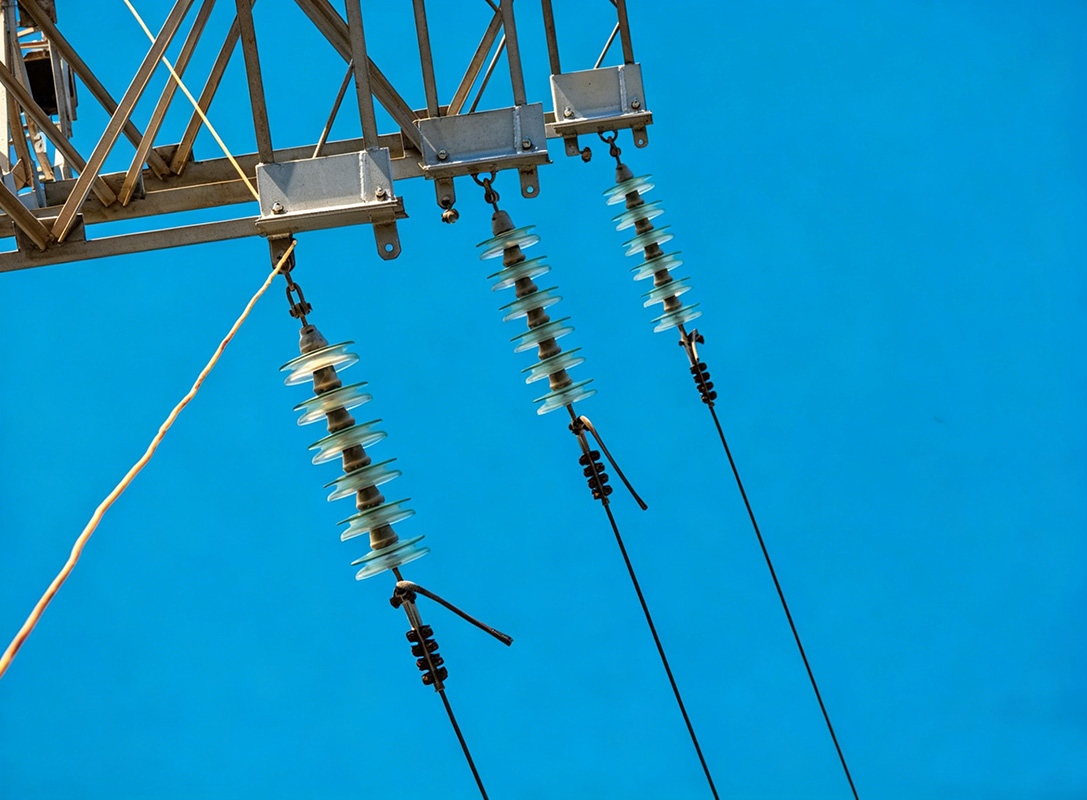
China’s Insulator Technology: A Mature Portfolio Supporting UHV Projects
Having withstood extreme environmental conditions including icing, high altitude, pollution, earthquakes and typhoons, China’s insulator industry has developed a mature product portfolio comprising three parallel technology pathways — porcelain, glass and composite. Multiple manufacturing capabilities have reached internationally competitive levels.
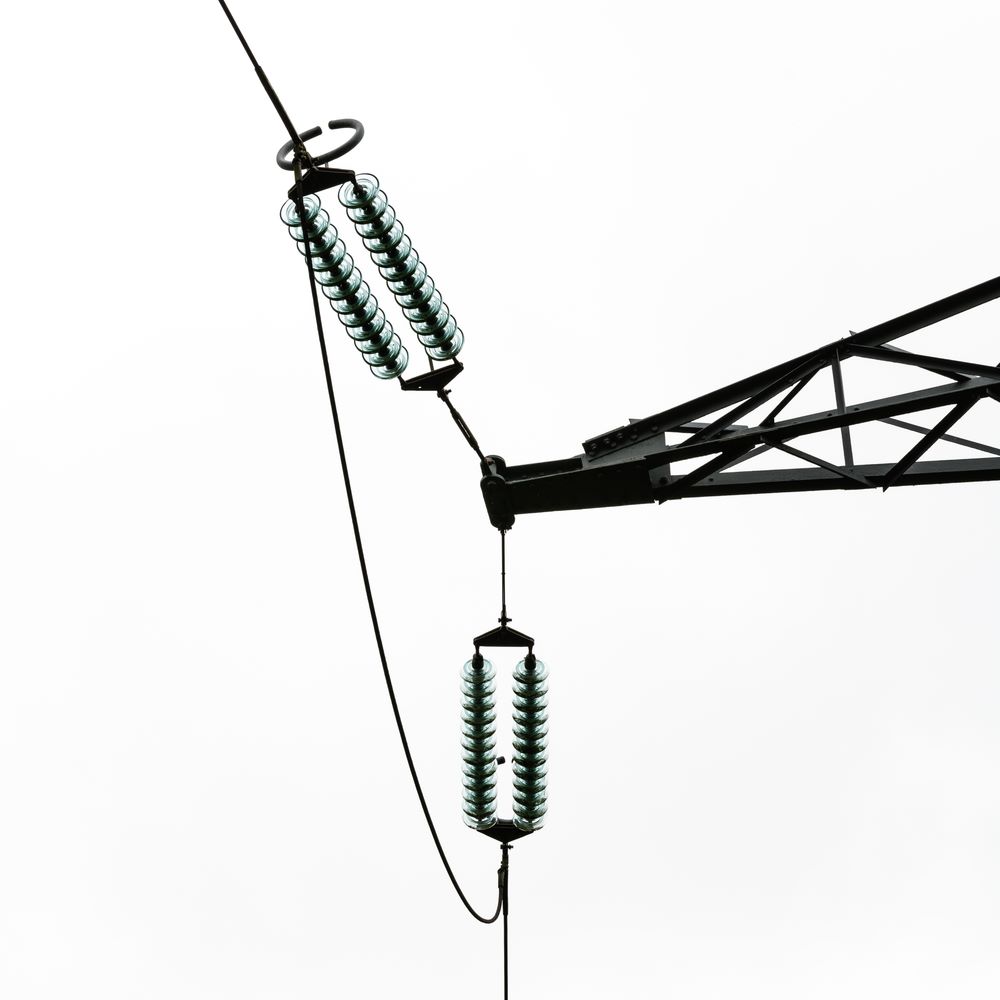
Classification and Applications of Insulators
Classification of Insulators
Insulators can be classified into high-voltage insulators and low-voltage insulators based on their operating voltage.
Insulators can be classified into porcelain insulators, glass insulators, and organic material (epoxy resin cast) insulators based on their manufacturing materials.
Insulators can be categorized into indoor and outdoor types based on their installation locations.
Insulators can be classified into 11 subcategories and 48 series based on their structure and application.
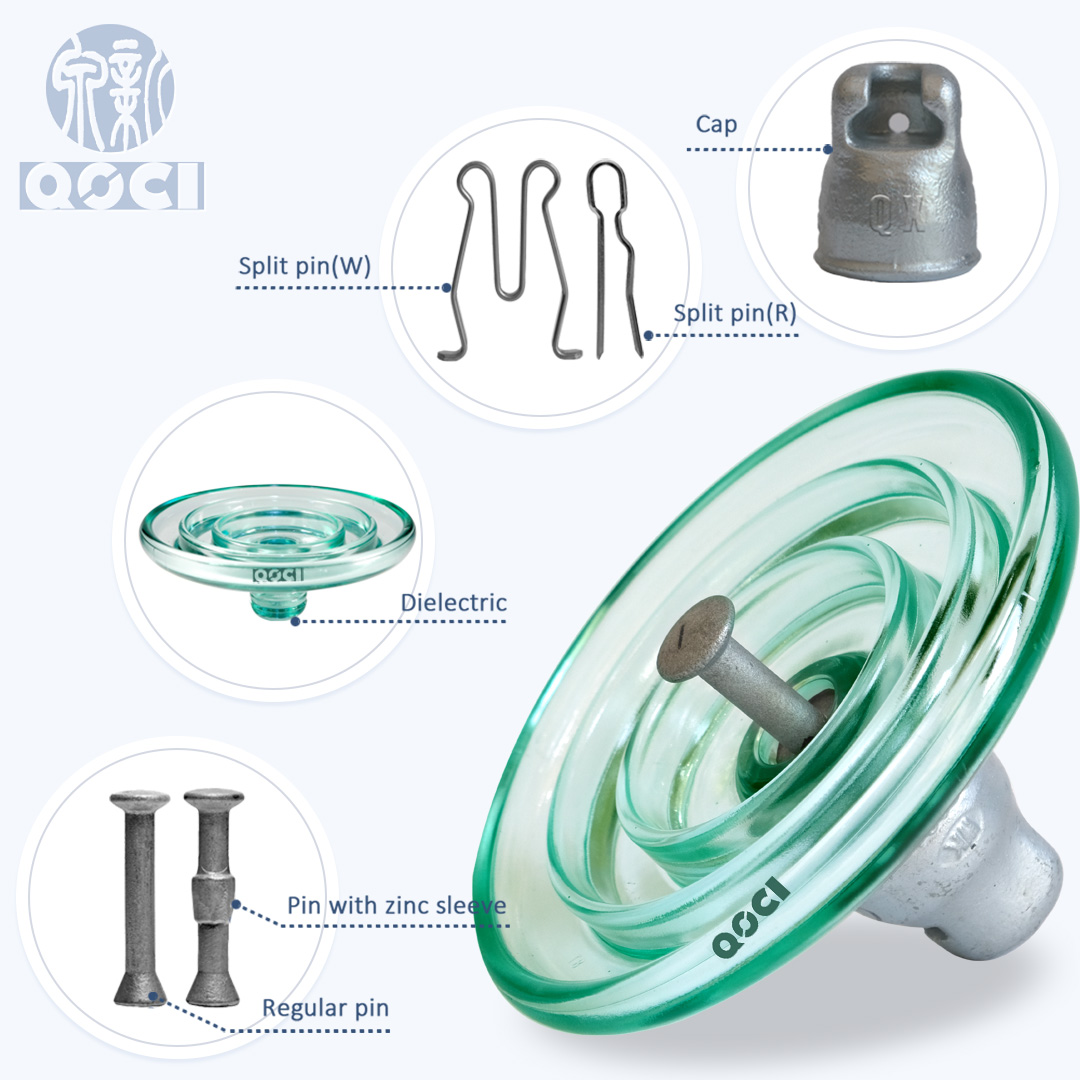
Naming and Significance of AC Disc Suspension Insulators (Porcelain, Glass, or Composite Porcelain/Glass)
Insulators are devices used to support conductors and provide insulation.
According to the installation method, insulators can be classified into suspension insulators and post insulators. Based on the insulating material used, they can be divided into porcelain insulators, glass insulators, and composite insulators (also known as synthetic insulators). Depending on the voltage level, they can be categorized as low-voltage insulators and high-voltage insulators. For different environmental conditions, there are anti-pollution insulators designed for contaminated areas. According to the type of voltage applied, DC insulators are derived. Additionally, there are insulators for special purposes, such as insulated crossarms, semiconductor glaze insulators, as well as distribution tension insulators, spool insulators, and wiring insulators.
Furthermore, based on the possibility of insulator puncture, they can be classified into two types: Type A (non-puncture-proof insulators) and Type B (puncture-proof insulators).
This section mainly introduces the naming conventions and meanings of the models for disk suspension porcelain or glass insulators and rod suspension composite insulators used in AC overhead transmission lines.
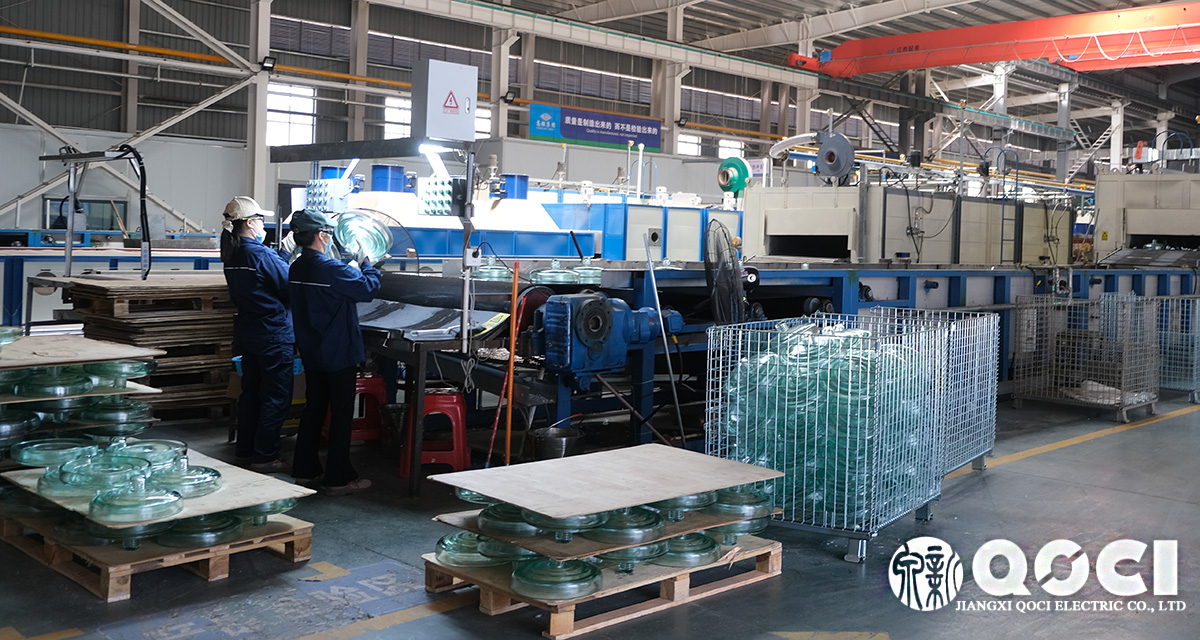
Detailed Production Process of Transmission Line Glass Insulators
The production process of glass insulators