How to Buy Glass Insulator 100b for Your Project Needs?
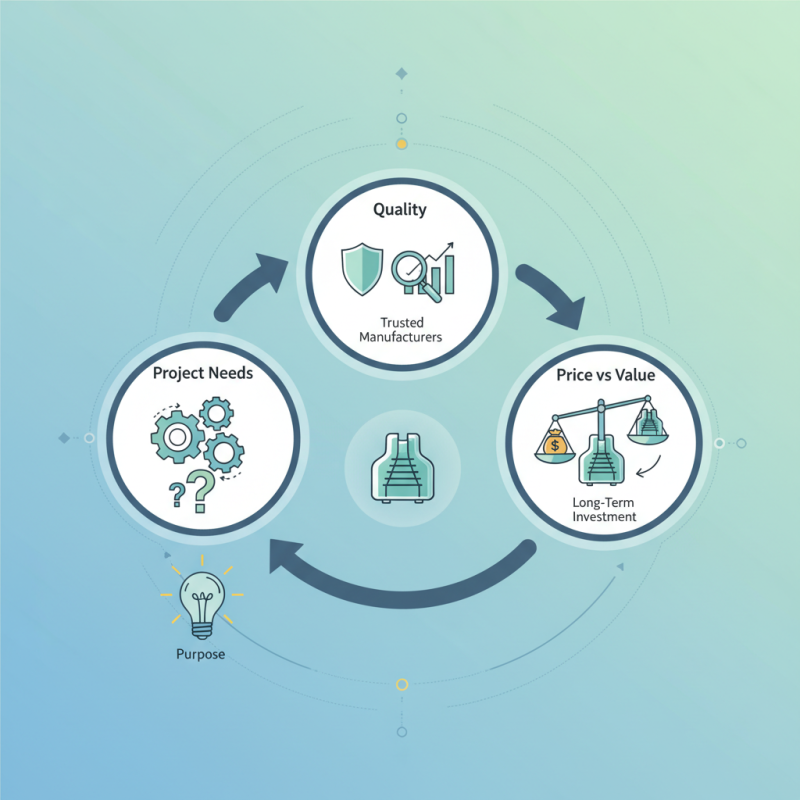
Buying a Glass Insulator 100b requires careful consideration of various factors. Firstly, understand the specific needs of your project. Why do you need this insulator? What purpose will it serve? Clarity in these questions helps you make informed decisions.
Next, consider the quality. Not all Glass Insulator 100b products are the same. Look for trusted manufacturers. Research their reputation. Reviews can provide insights into their reliability. Quality should never be compromised, as it affects the lifespan and performance of the insulator.
Lastly, price is essential but not everything. While you might be tempted by lower prices, reflect on what you are sacrificing. Sometimes, a higher price reflects better quality or service. Finding the right balance is key. Investing time in research will pay dividends in the long run.
Understanding Glass Insulators and Their Applications
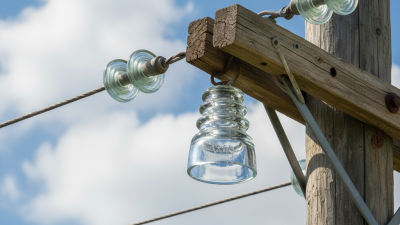
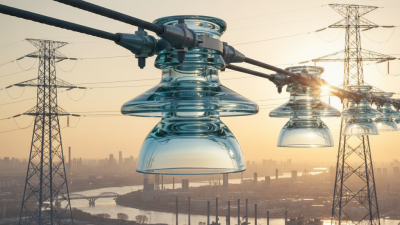
Understanding glass insulators is essential for various projects. These insulators are primarily made from high-quality glass, providing excellent electrical insulation. They are commonly used in power lines and telecommunications systems. The transparency of glass also allows for easy inspection and maintenance.
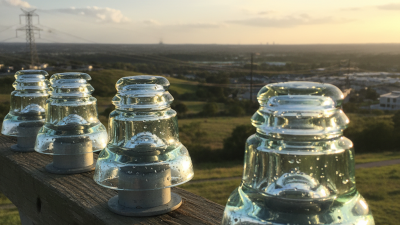
Glass insulators come in various shapes and sizes, each serving a specific purpose. Some are used for low voltage while others handle higher voltage applications. However, choosing the right type can be confusing. Often, people overlook factors like environmental conditions and mechanical stress. It is vital to consider how these factors will impact the performance of the insulator.
Many projects require durable materials. Glass insulators offer this durability. However, they can be fragile if mishandled. A dropped insulator can shatter, leading to waste and additional costs. This risk must be accounted for during the selection process. Understanding not only the specifications but also the limitations is crucial for a successful outcome.
Identifying Your Project Requirements for Glass Insulators
When selecting glass insulators for your project, it’s crucial to identify specific requirements. Consider the application environment. Are you using them for high-voltage power lines or decorative purposes? Different applications demand different specifications. For example, according to a recent industry report, overhead power transmission uses insulators with higher dielectric strength than those used in architectural designs.
Next, assess the load capacity needed for your project. Research indicates that glass insulators can typically withstand a range of voltage levels. Insulators for high-voltage lines can handle up to 1,200 kV. Verify that your selected insulators meet or exceed this capability for safety and durability. Also, consider environmental factors. Exposure to harsh weather conditions might require insulators designed for resilience and long-term performance.
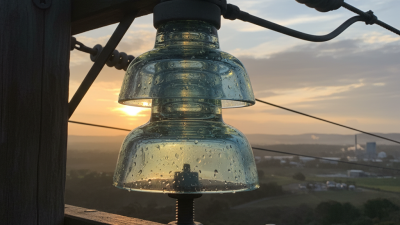
Evaluate your project’s aesthetic requirements too. Glass insulators come in various designs and colors. Some projects may benefit from vintage styles that enhance visual appeal. Nonetheless, clarity and imperfections in glass should be acknowledged. Small bubbles or swirls are common in production. They serve as a reminder of the manufacturing process, emphasizing that no product is flawless. This consideration adds depth to your project, allowing for a more thoughtful design approach.
How to Buy Glass Insulator 100b for Your Project Needs?
| Project Type |
Average Quantity Needed |
Budget Range ($) |
Preferred Size |
Color Preference |
| Electrical Substation |
200 |
5000 - 7000 |
Standard |
Clear |
| Telecommunication Tower |
150 |
4000 - 6000 |
Large |
Green |
| Art and Decoration |
50 |
1000 - 1500 |
Varied |
Blue |
| Vintage Collecting |
20 |
200 - 500 |
Small |
Amber |
Choosing the Right Type of Glass Insulator 100b
When selecting the right type of glass insulator 100b for your project, it's essential to consider specific factors. These insulators come in various shapes and sizes, designed for different applications. It's crucial to match your project's voltage and environmental conditions with the appropriate insulator type. Examine the material quality, as this affects durability and performance. A high-quality glass insulator can withstand extreme weather, while lower quality options may not.
Consider the installation process, too. Some glass insulators might require more complex handling and mounting techniques. If you’re inexperienced, this might lead to difficulties. Always assess the compatibility with existing structures. Reflect on your needs carefully, as a hasty decision could lead to issues down the line. It’s wise to seek advice from professionals or consult resources on best practices. Addressing these aspects can help ensure the glass insulator you choose truly fits your project's demands.
Glass Insulator 100b Purchase Trends
Tips for Ensuring the Quality of Your Glass Insulator Purchase
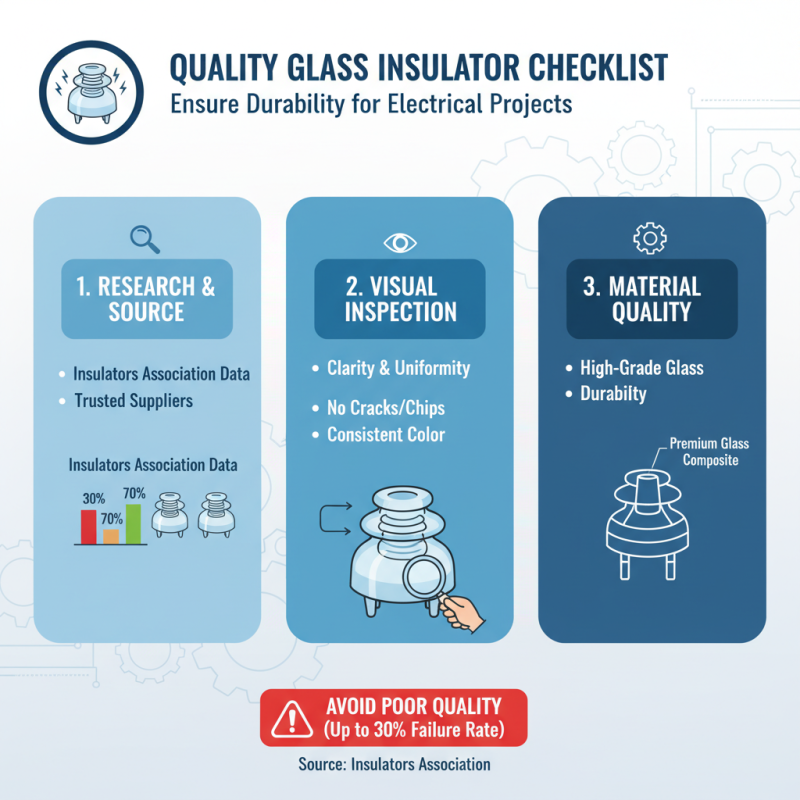
When purchasing a glass insulator, ensuring quality is crucial. A well-made insulator contributes significantly to the durability of your electrical projects. Research from the Insulators Association indicates that up to 30% of insulator failures are linked to poor quality materials. Therefore, it's vital to inspect the glass carefully before purchase.
Look for signs of uniformity and clarity. High-quality insulators usually exhibit a consistent color and lack bubbles or imperfections. Also, consider the manufacturing process. According to the Global Glass Insulator Market Report, products made using advanced technologies tend to perform better under stress. Verify the insulator's specifications, ensuring it meets industry standards for electrical insulation.
It's essential to review supplier reputations. Engaging with experienced manufacturers can minimize risks. Aim for suppliers with a track record of reliability. This information can often be found in industry reports and customer testimonials. Trustworthy sources improve your chances of a successful purchase.