Leave Your Message

China Top Glass Insulator 100b Manufacturer Supplier

China Top Glass Insulator 100b Manufacturer Supplier

Choosing a reliable China Glass Insulator 100b manufacturer requires more than comparing prices. Buyers should examine design data, production experience, testing records, and export capability. The term “100b” may refer to a 100 kN suspension insulator class, but naming practices can vary between suppliers. Confirm the exact standard before ordering.

Dr. R. S. Gorur, a respected insulator researcher, states, “Insulator performance depends on design, materials, and service conditions.” This principle remains practical. A strong glass shell, accurate cement connection, galvanized hardware, and stable electrical performance all matter. The insulator must withstand mechanical tension, rain, pollution, temperature changes, and transportation handling.

Real details reveal manufacturing quality. Look for clean glass surfaces, even transparency, tight fittings, and traceable batch numbers. Ask for routine test reports, type-test evidence, dimensional drawings, and inspection photographs. A responsible supplier should explain the glass composition and production controls clearly. It should also identify applicable IEC or equivalent standards.

Some supplier pages overstate performance. A polished factory photo proves little. Even a good product can fail when the wrong creepage distance meets heavy pollution. This is where careful review becomes necessary. Buyers should compare laboratory evidence with actual project conditions, not marketing language alone.

The best China Glass Insulator 100b supplier combines dependable manufacturing with honest technical communication. This introduction will examine product structure, testing, customization, quality management, pricing factors, and export support. It will also consider an uncomfortable question: does the lowest quotation remain economical after installation, inspection, and long-term maintenance?
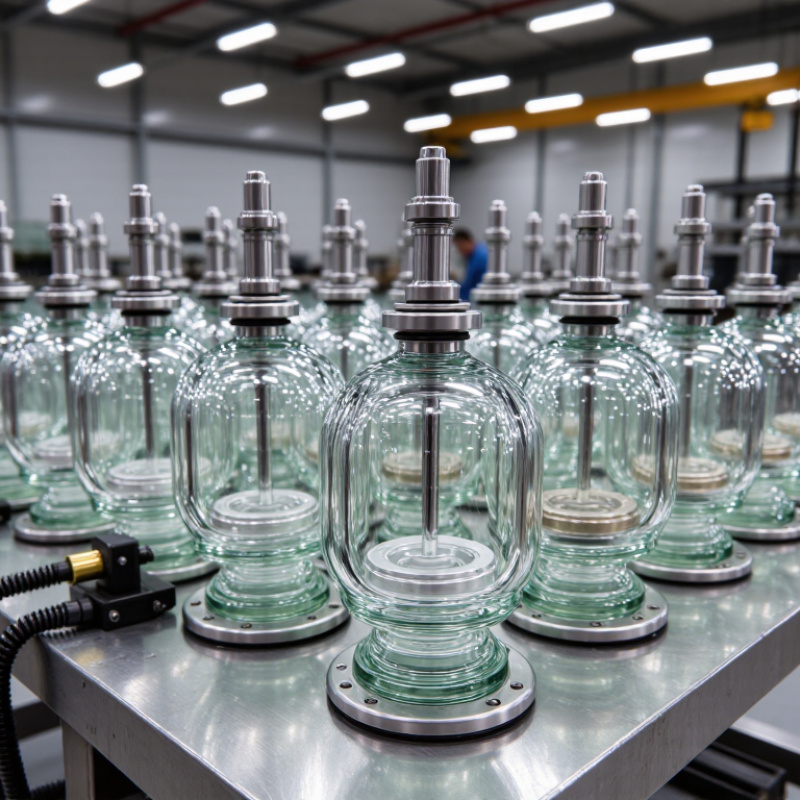
China Top Glass Insulator 100b Manufacturer Supplier

Definition and Role of 100b Glass Insulators

Definition and Role of 100B Glass Insulators

A 100B glass insulator is typically a toughened-glass suspension insulator for overhead transmission lines. The “100” commonly indicates a 100 kN mechanical failing load. The “B” usually identifies its fitting and design configuration. Exact meanings can vary by applicable standard, so engineers should verify the product drawing and test certificate.

Its main role is dual. It electrically separates the energized conductor from the steel tower. It also carries mechanical loads caused by conductor weight, wind, and installation tension. A typical unit has a glass insulating body, metal cap, pin, cement connection, and weather sheds. The sheds lengthen the leakage path. They also help reduce surface current during rain, salt exposure, and industrial pollution.

Toughened glass offers a practical inspection advantage. When severe damage occurs, the glass body may shatter visibly, helping maintenance teams identify a failed unit from the ground. That feature is useful, but it is not perfect. Small pollution deposits, incorrect hardware, or poor string design can still create operational problems. I have found that relying only on the “100B” label is risky. Line voltage, creepage distance, altitude, pollution level, and fitting compatibility must be checked together. A reliable supplier should provide routine and type-test evidence, dimensional data, and traceable quality records. Field experience also matters. The right insulator is not merely strong; it must remain dependable under the actual environment.

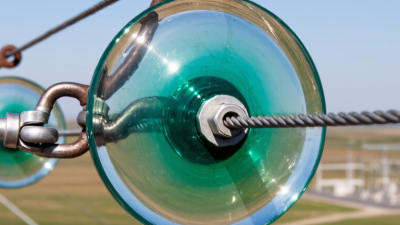
Technical Specifications and Design Features

China Top Glass Insulator 100b Manufacturer Supplier

Technical Specifications and Design Features

A glass insulator marked 100b should have its designation verified before procurement. In many projects, the code refers to a 100 kN mechanical rating. The supplier should confirm this value through routine and type-test documentation. Toughened glass offers high transparency, visible puncture damage, and stable outdoor performance. A zinc sleeve and ball-and-socket connection should resist corrosion and simplify string assembly. Creepage distance must match pollution severity, altitude, and system voltage. One standard dimension cannot suit every transmission route.

IEC 60383 testing covers overhead-line insulators, including mechanical and electrical performance. Relevant checks include power-frequency withstand, lightning impulse withstand, and electromechanical failing load. The IEA’s Electricity Grids and Secure Energy Transitions report estimates that global grids may require over 80 million additional or replaced circuit kilometres by 2040. This increases demand for traceable, field-tested components. However, laboratory results do not replace installation experience. Misaligned fittings, damaged washers, or poor cleaning can reduce reliability. This is an area worth reviewing.

Tips: Request batch traceability, dimensional drawings, and test certificates. Inspect glass shells for chips under strong light. Confirm creepage distance with the project’s pollution class. Do not assume “100b” means the same rating everywhere. A small naming error can create a costly specification gap.

Manufacturing Process and Quality Standards in China

China Top Glass Insulator 100b Manufacturer Supplier

Manufacturing Process and Quality Standards in China

A reliable glass insulator begins with controlled raw materials. Silica, soda ash, limestone, and recycled glass are weighed by batch records. The mixture enters a furnace under stable temperature control. Forming follows quickly, because uneven cooling can create hidden stress. The glass body is then annealed and toughened. This step improves resistance to sudden temperature changes and mechanical impact. Metal fittings are assembled with carefully measured cement. Small errors matter here.

Chinese manufacturers commonly work against IEC 60383-1 and customer-specific specifications. Quality systems often follow ISO 9001 practices, with inspection points across production. Technicians check dimensions, surface defects, cement filling, and fitting alignment. Electrical tests, mechanical load tests, and thermal shock tests support the final evaluation. For a 100B-rated design, the stated mechanical and electrical values must match the approved drawings. A certificate alone is not enough. Traceable records are more useful.

Tips: Ask for batch traceability, routine test reports, and type-test evidence. Inspect the glass surface under strong, even lighting. Look for chips, cracks, cloudy areas, or uneven cement joints. Confirm packing protects fittings during transport. Factory visits can reveal more than polished samples. Still, visual checks cannot replace laboratory testing. Some suppliers may offer excellent documentation but inconsistent production; this deserves careful follow-up.

China Top Glass Insulator 100B Manufacturer Supplier - Manufacturing Process and Quality Standards in China

Category Manufacturing or Quality Dimension Typical Requirement or Data Applicable Reference or Verification Method
Product Definition Product type 100B glass insulator; final geometry, electrical ratings, and hardware configuration shall follow the approved technical drawing. Approved drawing, purchase specification, and type-test documentation
Raw Material Insulator glass Electrical-grade toughened glass with controlled chemical composition, low visible contamination, and stable thermal properties. Incoming inspection, supplier material certificate, chemical analysis when required
Raw Material Metal fittings and pins Forged, cast, or machined fittings manufactured from specified steel grades and protected against corrosion according to the approved specification. Material certificates, dimensional inspection, coating or galvanizing inspection
Glass Preparation Batching and melting Precisely weighed raw materials are melted in a controlled furnace to achieve homogeneous glass and consistent production properties. Batch records, furnace temperature monitoring, process-control records
Forming Press forming and shaping Molten glass is formed under controlled pressure and tooling conditions to produce the required shell profile, sheds, grooves, and interfaces. Tooling inspection, first-piece approval, dimensional checks
Thermal Treatment Toughening Controlled cooling creates compressive stress at the glass surface, improving mechanical strength and resistance to thermal shock. Toughening-process records and destructive verification tests
Surface Quality Visual inspection No unacceptable cracks, chips, sharp edges, significant stones, blisters, or other defects that could impair electrical or mechanical performance. 100% visual inspection under controlled lighting
Assembly Fitting installation Metal fittings are assembled with controlled alignment, seating, and locking conditions to prevent looseness or excessive stress concentration. Assembly instructions, torque or dimensional checks, traceable inspection records
Dimensions Critical dimensions Overall height, shed diameter, creepage distance, fitting dimensions, and connection interfaces must comply with the approved drawing; tolerances are drawing-controlled. Calipers, gauges, coordinate measurement, and dimensional inspection reports
Electrical Performance Power-frequency withstand test The specified dry and wet withstand levels shall meet the product design and applicable standard requirements. IEC 60383-1 or the applicable national or utility specification
Electrical Performance Impulse withstand test Lightning impulse withstand performance shall comply with the rated design and required test level. IEC 60383-1 type or design tests, where applicable
Mechanical Performance Mechanical strength Specified tensile, bending, or cantilever strength shall be verified according to the insulator design and fitting arrangement. IEC 60383-1, IEC 60168, or approved product specification
Glass Integrity Thermal shock and fragmentation behavior Toughened glass should demonstrate resistance to thermal shock and controlled fragmentation behavior after breakage, as required by the applicable standard. Design verification and sample destructive testing
Coating Protection Hot-dip galvanized fittings Where specified, galvanized steel fittings shall have continuous coverage, adequate adhesion, and a coating thickness conforming to the purchase specification. Visual inspection, coating-thickness measurement, adhesion assessment
Routine Inspection Production-unit checks Routine checks may include visual inspection, dimensional verification, fitting alignment, and applicable electrical or mechanical screening. Inspection and test plan based on IEC requirements and customer specification
Sampling Tests Batch acceptance testing Sampling frequency and acceptance criteria shall be defined by the applicable standard, contract, and approved inspection plan. IEC 60383-1 sampling provisions or agreed quality plan
Quality System Quality management Documented control of design, purchasing, production, inspection, nonconforming products, corrective actions, and calibration. ISO 9001 quality-management principles
Traceability Batch and inspection records Each production batch should be traceable to raw materials, manufacturing date, process records, inspection results, and packing documentation. Batch code, inspection report, material certificate, and packing list
Packaging Transport protection Insulators should be secured against impact, movement, moisture, and stacking damage during handling and international transportation. Packaging inspection, loading inspection, and export packing requirements
Documentation Technical and quality documents Recommended documents include approved drawings, routine-test records, material certificates, inspection reports, and packing lists. Contract document requirements and applicable IEC or national standards

Note: Electrical ratings, mechanical loads, dimensions, tolerances, and test levels for a 100B glass insulator must be confirmed against the approved drawing and applicable customer or utility specification.

Applications in High-Voltage Power Transmission

Glass insulators rated 100b are widely used on high-voltage power transmission lines. Their main duty is simple: support conductors and prevent current from reaching steel towers. In long-distance networks, this separation must remain reliable during rain, dust, salt fog, and sudden temperature changes.

A 100b glass insulator commonly provides strong mechanical performance for suspension and tension assemblies. Its toughened glass body offers a smooth surface, helping rain wash away some contamination. If electrical breakdown occurs, the glass can shatter visibly, making damaged units easier to identify during patrols. This practical feature supports faster maintenance decisions. However, it does not replace close inspection.

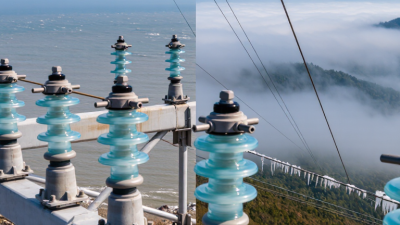
In coastal corridors, engineers often increase creepage distance or adjust the insulator string length. Industrial areas require similar care because smoke and chemical deposits may create conductive films. Field teams should check cracks, loose fittings, corrosion, and abnormal discharge marks. Installation torque also matters. Too much force can damage metal hardware or create hidden stress in the glass.

Reliable suppliers should provide routine test records, material data, dimensional drawings, and traceability documents. Testing should reflect recognized electrical and mechanical standards. Actual line conditions still deserve attention. Laboratory results cannot fully represent every mountain pass or polluted substation. This is where engineering judgment remains necessary, and sometimes the first design choice needs revision.

China Top Glass Insulator 100b Manufacturer Supplier – Applications in High-Voltage Power Transmission

The chart shows representative glass suspension-insulator disc counts commonly used for overhead transmission lines at different nominal voltage levels. Higher-voltage systems generally require longer insulation strings and more discs. Actual designs vary according to pollution severity, altitude, switching and lightning overvoltage, conductor configuration, and required creepage distance.

Selecting a Reliable Chinese Manufacturer and Supplier

Choosing a reliable Chinese U100B glass insulator manufacturer requires more than comparing prices. The International Energy Agency’s Electricity 2024 report forecasts global electricity demand growth of about 3.4% annually through 2026. Grid expansion therefore increases pressure on insulation quality, delivery control, and technical support.

Ask the supplier for IEC 60383 test records, material certificates, and batch traceability. A dependable factory should explain glass tempering, cement bonding, galvanizing, and routine mechanical tests clearly. For U100B units, verify the specified mechanical load, creepage distance, puncture performance, and dimensional tolerances. Factory audits should include raw-material storage and laboratory calibration. Photos are not enough.

Check production capacity against your project schedule. IRENA’s Renewable Capacity Statistics 2025 recorded 585 GW of new renewable capacity in 2024, increasing demand for reliable transmission equipment. Still, a large capacity statement proves little without recent shipment evidence. Request inspection samples and independent testing when the order is critical. A low quotation may hide weaker inspection routines. It is worth questioning.

An experienced supplier should provide drawings, packing details, installation guidance, and corrective-action records. Communication matters too. Delayed answers often become delayed documents. No checklist is perfect. Recheck the 100B designation, because different specifications can create costly misunderstandings. Choose evidence over promises, and require every agreed parameter in the purchase contract.