How to Choose a High Voltage Isolator?
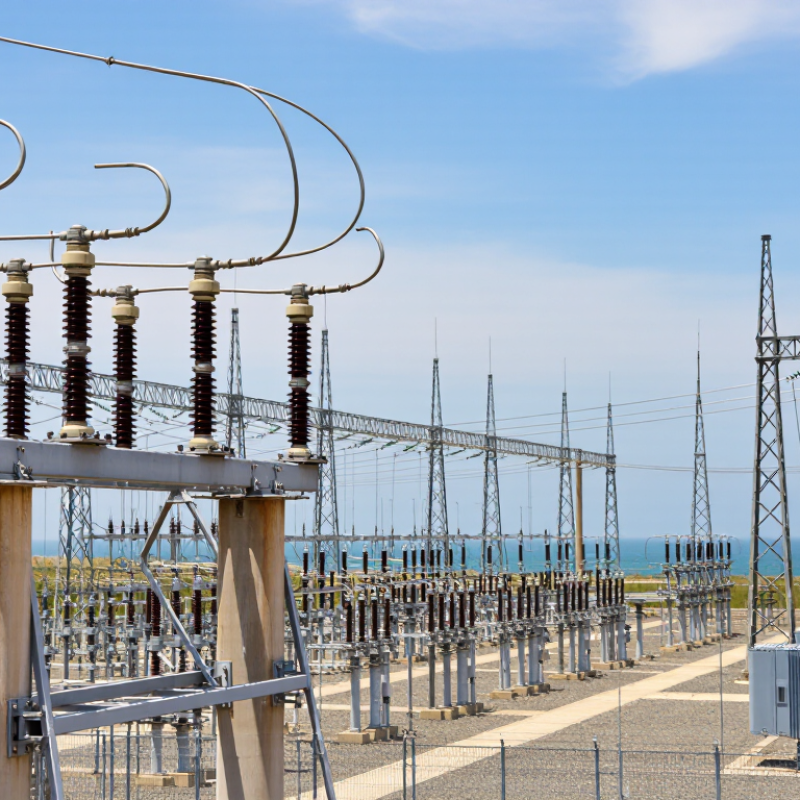
Choosing a high-voltage isolator is not just a matter of matching a number on a nameplate. The right device must suit the system voltage, continuous current, insulation requirements, fault-duty conditions, and installation environment. Small details matter. An outdoor unit beside a coastal substation faces salt, wind, and moisture; an indoor switchgear bay has different constraints. The operating mechanism, mounting orientation, clearances, and maintenance access can all affect safety and long-term reliability. That is where selection gets real.
An Isolator High Voltage selection should begin with verified system data, not a rushed product comparison. Review the rated voltage and current, lightning impulse withstand level, short-time withstand current, and required isolating distance against the project specifications. Also confirm whether the device is intended only to provide visible isolation or includes a properly rated switching function. An isolator is generally not designed to interrupt load or fault current unless its documentation explicitly permits that duty. Check. Compare manufacturer drawings, test documentation, terminal arrangements, control supply, and applicable technical standards with actual site conditions. A datasheet can look complete and still leave questions about clearances or service access. Ask the supplier to clarify them. Qualified electrical engineers should validate the final choice and coordinate it with protection, earthing, and interlocking arrangements. Even experienced teams can overlook an interface. It is worth checking before procurement.
Understanding the Role and Operating Limits of a High Voltage Isolator
A high voltage isolator provides a clear separation point in electrical equipment, helping workers confirm that a circuit is disconnected before maintenance. Its role is isolation, not routine interruption of load current. In most installations, a circuit breaker must interrupt the current first. The isolator then opens under the conditions specified for its design. Important limits include rated voltage, continuous current, short-time withstand current, and peak withstand current. These values describe what it can carry, not what it can safely interrupt. Details matter.
Tips: Check the equipment nameplate and technical data sheet. Confirm the system voltage, expected fault levels, and site conditions. Do not assume that a familiar-looking unit suits every installation.
When choosing an isolator, consider indoor or outdoor exposure, altitude, pollution, temperature, and available operating space. Insulation clearances and the mounting arrangement must suit the installation. Check compatibility with the circuit breaker, earthing switch, and interlocking scheme. A small mismatch can create a serious operational problem. Selection should be reviewed by a qualified electrical engineer using applicable standards and site-specific data. It is tempting to focus only on voltage rating; that is not enough. A careful review may take longer, but it helps prevent unsafe assumptions.
Identifying System Voltage, Current, and Fault-Level Requirements
How to Choose a High Voltage Isolator?
Identifying System Voltage, Current, and Fault-Level Requirements
Start with the system’s highest operating voltage, not only its nominal label. Check the utility single-line diagram and insulation schedule, then confirm the equipment’s rated voltage and insulation level against IEC 62271-1. Altitude and contamination matter; a dusty outdoor substation may need different insulation clearances than a clean indoor room. Small details can change the specification.
Next, verify continuous current from the load study, including expected growth and ambient temperature. An isolator provides visible separation; it is generally not intended to interrupt load current. For fault duty, use the latest site short-circuit study, with calculations following IEC 60909-0:2016. Compare the calculated fault current and duration with the isolator’s rated short-time withstand current, and check peak withstand too. For example, a study showing 25 kA for one second calls for equipment rated to withstand at least that duty. Do not treat this example as a default.
Tips: Match every value to the same voltage level and operating scenario. Confirm switching sequence, earthing-switch duty, and terminal forces with the design team; these are easy to overlook. IEC 62271-102 covers AC disconnectors and earthing switches. One honest caveat: preliminary fault studies can change when transformers or network connections change, so revisit the rating before procurement.
Selecting an Isolator Type for the Installation and Switching Duty
How to Choose a High Voltage Isolator?
Selecting an isolator starts with its installation and switching duty. A line-mounted unit, a substation bus isolator, and a compact indoor assembly face different clearances and operating conditions. Check the system voltage, continuous current, insulation level, and short-time withstand current against the project specification. A sunny outdoor yard may also need resistance to dust, salt, ice, or strong wind. Small details matter.
Do not assume an isolator can interrupt ordinary load current. Many are designed to provide visible isolation after a circuit breaker has opened; only specified designs handle defined switching duties, such as bus-transfer or charging currents. Confirm the manufacturer’s rated switching capability and the actual duty sequence with the responsible electrical engineer. Then check mounting orientation, drive type, earthing-switch options, and interlocks. I have seen selection discussions focus on voltage alone. That is an easy gap to miss.
Tips: Match the isolator to the one-line diagram and switching schedule. Verify clearances on the actual structure, not just a drawing. If the duty is unclear, pause and review it with the design team; assumptions can linger longer than expected.
Assessing Site Conditions, Insulation, and Mechanical Requirements
Choosing a high voltage isolator starts with the conditions at its installation site. Record the system voltage, altitude, temperature range, humidity, and exposure to dust or salt. Coastal air can leave a conductive film on insulators, while dry industrial sites may accumulate fine particles. Both can affect insulation performance. Small details matter.
Check the required insulation level against expected switching surges and lightning exposure. Insulator creepage distance should suit local pollution, not just a catalogue value. At high elevations, reduced air density can lower external insulation strength, so confirm any necessary correction with a qualified engineer. Also inspect clearances around busbars and nearby structures. A few centimeters can matter.
Mechanical demands deserve equal attention. Estimate operating force, wind and ice loading, vibration, and how accurately the contacts must align. Confirm that the handle or motor drive works with the site’s access and maintenance arrangements. Interlocks should prevent unsafe operation, and the isolator must match the intended switching duty; it is not a substitute for a circuit breaker. That distinction is easy to overlook.
Review the manufacturer’s technical data and applicable standards, then have the selection checked against actual site drawings. I would not rely on a single field measurement; records can be incomplete. Keep the assumptions visible.
Checking Safety Standards, Interlocking, and Maintenance Needs
How to Choose a High Voltage Isolator?
Safety starts with the equipment’s actual duty, not just its voltage label. Check rated voltage, insulation level, short-time withstand current, and peak withstand current against the system study. IEC 62271-102 covers high-voltage disconnectors and earthing switches. For its M2 mechanical endurance class, the standard specifies 10,000 operating cycles. Treat that figure as a test classification, not a guarantee of service life. A dusty outdoor mechanism may need attention much sooner. Small details matter.
Interlocking deserves a physical check. Confirm that the isolator cannot open under load and that the earthing switch cannot close onto an energized circuit. Review the wiring diagrams, key-transfer sequence, and failure response; a confusing sequence can defeat a sound design. For maintenance planning, NETA’s 2023 Maintenance Testing Specifications provide condition-informed guidance rather than one interval for every installation. Record contact resistance, operating time, alignment, and signs of corrosion during inspections. I would still question any schedule that ignores switching frequency, humidity, or salt deposits. Some sites track these poorly. That is a gap worth fixing before a mechanism sticks.
How to Choose a High Voltage Isolator?
Checking Safety Standards, Interlocking, and Maintenance Needs
Common nominal AC system voltages are shown as context for selecting an isolator. The equipment’s rated voltage must suit the system’s highest voltage and insulation requirements; also verify continuous-current and short-time withstand ratings. Check applicable IEC 62271 requirements, confirm interlocks prevent unsafe switching sequences, and follow the manufacturer’s inspection and maintenance instructions.